


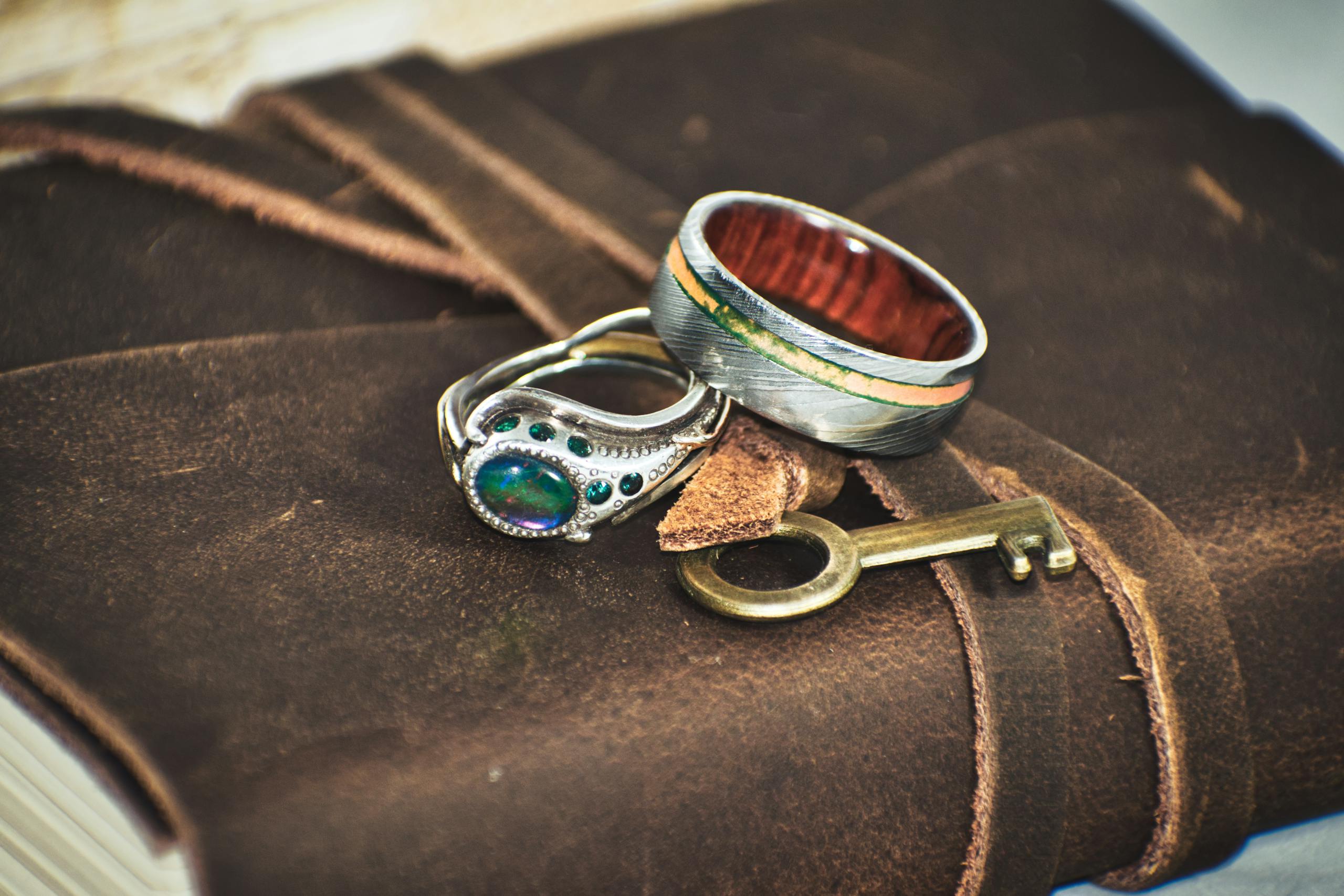
Jewelry has captivated humanity for centuries, not just for its beauty but also for the diverse materials used to create it. From precious metals to dazzling gemstones and innovative alternatives, each material brings its own charm and significance. Let’s explore the world of jewelry materials and their unique characteristics.


1. Precious Metals
Gold
Gold is the most classic and sought-after metal in jewelry. It comes in different karats and colors:
- Yellow Gold – Traditional and timeless.
- White Gold – Mixed with palladium or nickel for a silvery look, often rhodium-plated.
- Rose Gold – Blended with copper for a warm, pinkish hue.
Silver
- Sterling Silver (92.5% pure) – Affordable yet elegant, though it tarnishes over time.
- Fine Silver (99.9% pure) – Softer and less commonly used in jewelry.
Platinum
A rare, durable, and hypoallergenic metal that doesn’t tarnish. Its natural white sheen makes it perfect for high-end jewelry.
Palladium
A lighter and more affordable alternative to platinum, with similar durability and a sleek white appearance.
2. Gemstones
Diamonds
The hardest natural material, valued for brilliance and durability. Graded by the 4 Cs (Cut, Color, Clarity, Carat).
Rubies, Sapphires & Emeralds
- Rubies – Vibrant red (most prized: “Pigeon’s Blood”).
- Sapphires – Typically blue, but come in all colors (except red).
- Emeralds – Deep green, often with natural inclusions.
Semi-Precious Stones
- Amethyst (purple quartz)
- Topaz (blue, pink, or golden)
- Aquamarine (light blue-green)
- Opal (play-of-color gemstone)
Organic Gemstones
- Pearls – Formed in oysters, symbolizing elegance.
- Amber – Fossilized tree resin with warm tones.
- Coral – Organic marine material, often red or pink.
3. Alternative & Modern Materials
Titanium & Tungsten
- Titanium – Lightweight, durable, and hypoallergenic.
- Tungsten – Extremely scratch-resistant, popular in men’s rings.
Stainless Steel
Affordable, corrosion-resistant, and low-maintenance.
Ceramic
Sleek, scratch-resistant, and available in bold colors (often black or white).
Lab-Grown Diamonds & Moissanite
- Lab Diamonds – Chemically identical to natural diamonds but more ethical and affordable.
- Moissanite – Nearly as hard as a diamond, with even more fire and brilliance.
4. Ethical & Sustainable Choices
With growing environmental awareness, many jewelers now use:
- Recycled Metals – Reducing mining impact.
- Fair-Trade Gemstones – Ethically sourced.
- Vegan Jewelry – Avoiding animal products (e.g., pearls, coral).
Final Thoughts
Whether you prefer the timeless elegance of gold and diamonds or the modern edge of titanium and lab-grown gems, jewelry materials offer endless possibilities. The best choice depends on your style, budget, and values.
What’s your favorite jewelry material? Share in the comments! 💎✨